Grains are the seeds of both cereal and pseudo-cereal plants. Cereals are actually a type of grass plant. They produce grains such as wheat, oats, barley, rye, millet, maize and rice. Pseudo-cereal plants also produce grains, such as quinoa, buckwheat and amaranth. They are called pseudo-cereals simply because they are not a grass plant like the true cereals.
Grains are a staple in our diets. They can be eaten raw, used in cooking, ground into flours, used in baking, used in making pasta, bread and cakes! They are also the basis of many products like freekeh, bulgur wheat, semolina and couscous.
What’s the difference between whole grains and refined grains?
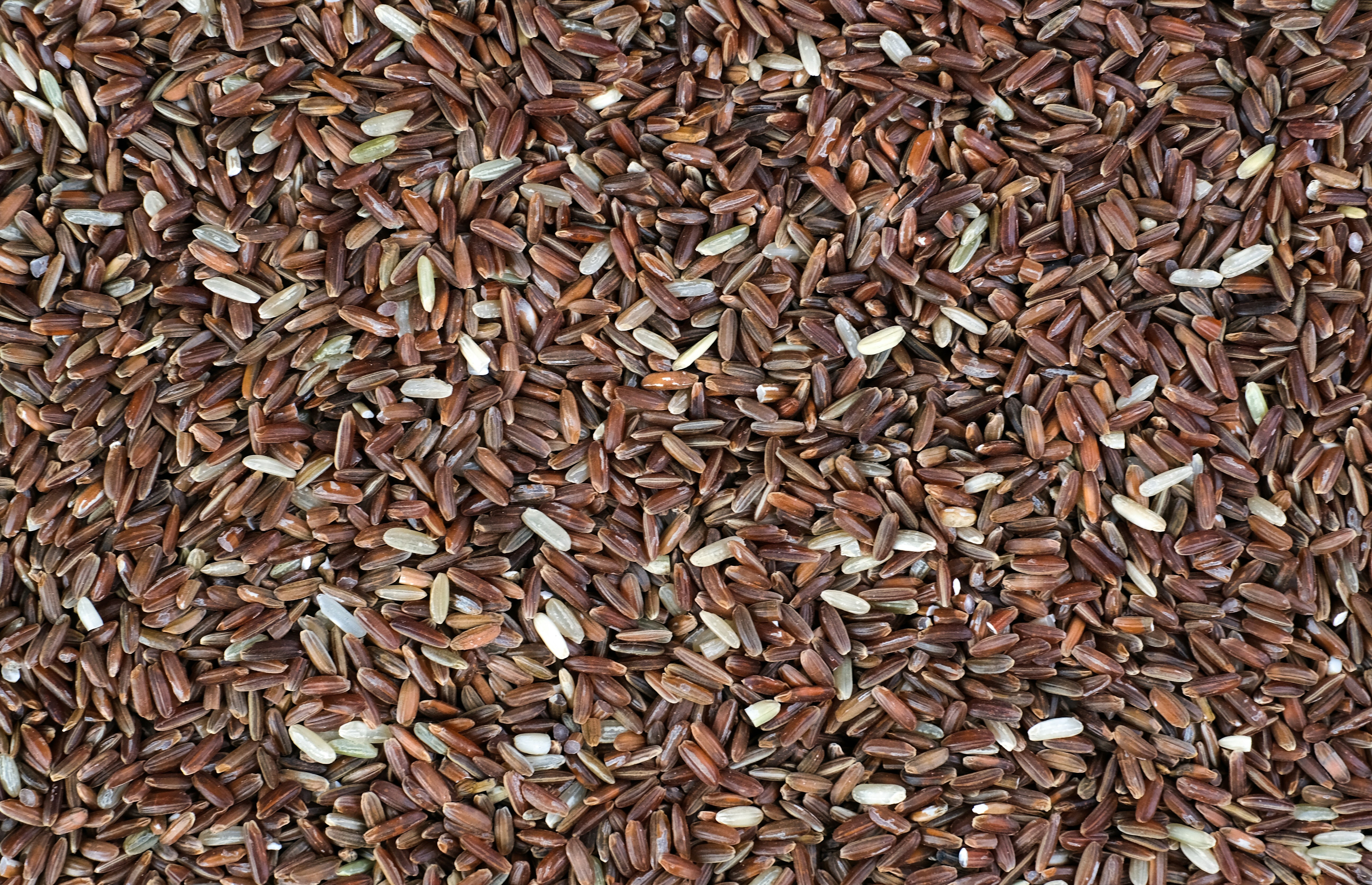
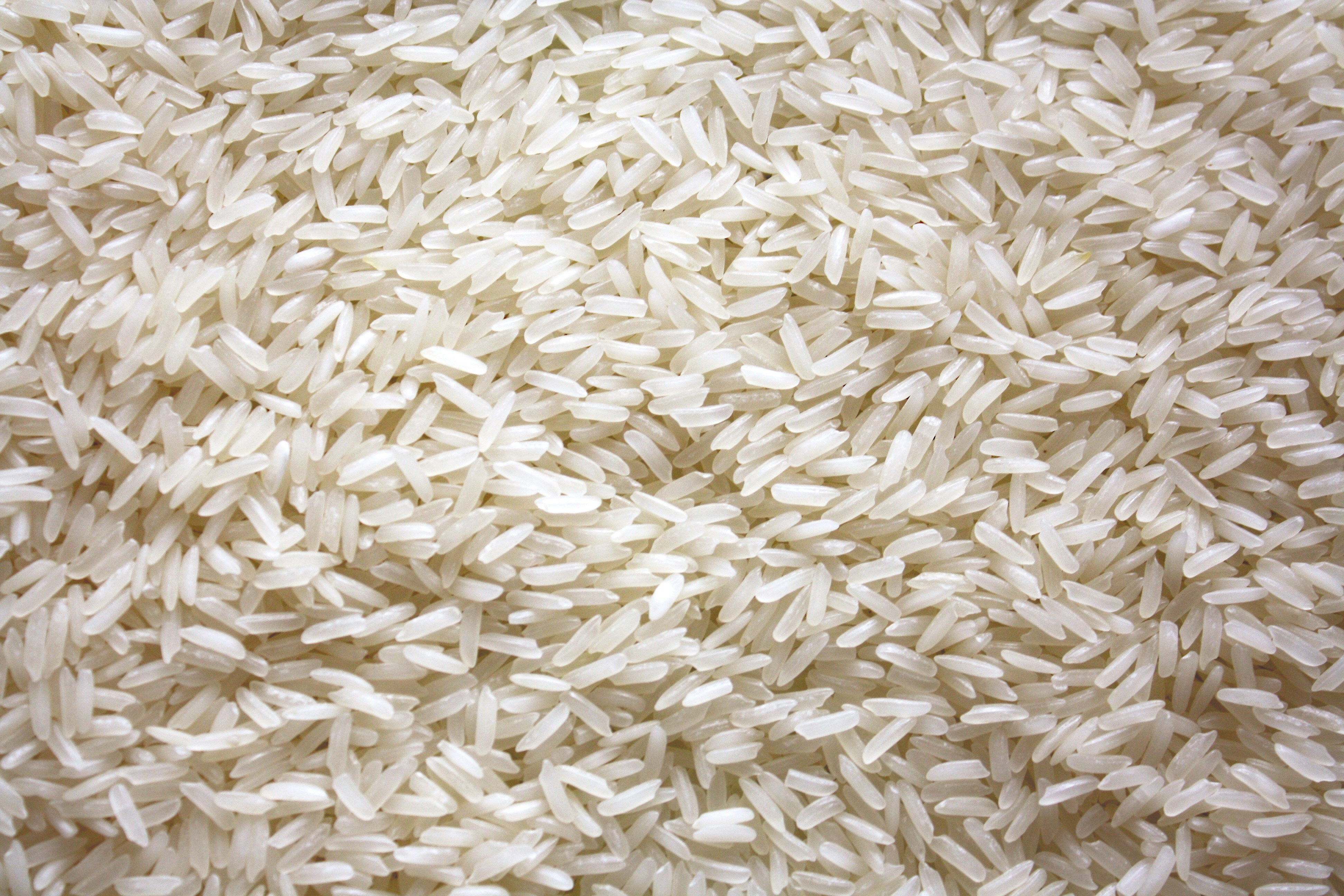
Whole grains are the full seed, not refined. Refining removes the bran (the outer layer) and the germ (the nutrient rich part of the grain that sprouts.) So, whole grains are higher in fibre and more nutrient rich than refined grains. Examples of whole grains are whole-wheat flour or brown rice. Examples of refined grains are things like white rice and white flour.